En 2026, les progrès technologiques et en matière de design ont transformé le paysage de supports photovoltaïquesce qui les rend plus efficaces, plus rentables et plus respectueux de l'environnement.
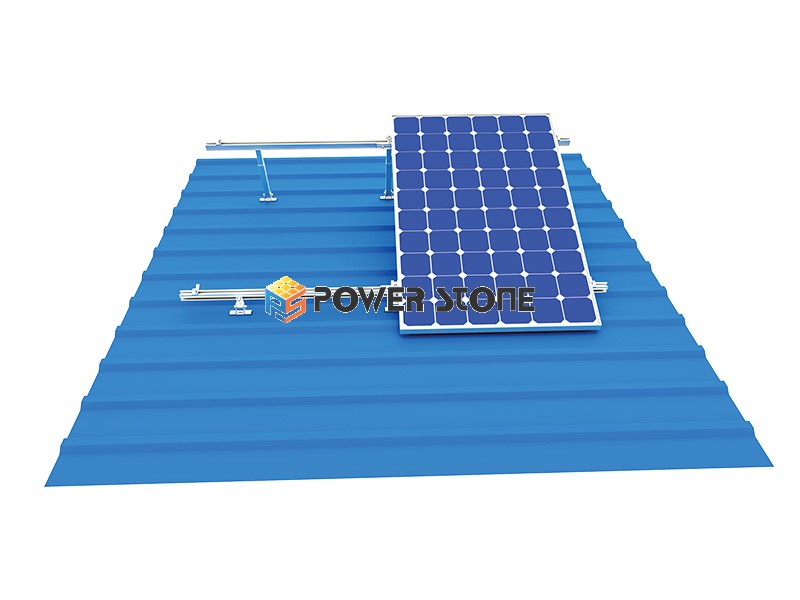
En 2026, les innovations en matière de conception de supports photovoltaïques privilégient la flexibilité et l'adaptabilité à diverses configurations d'installation. Les supports réglables, capables d'accueillir des panneaux de différentes tailles et configurations, se généralisent, simplifiant et diversifiant ainsi les processus d'installation. De plus, la conception modulaire de certains supports permet des mises à niveau ou des extensions rapides et faciles des installations existantes. systèmes de panneaux solaires.
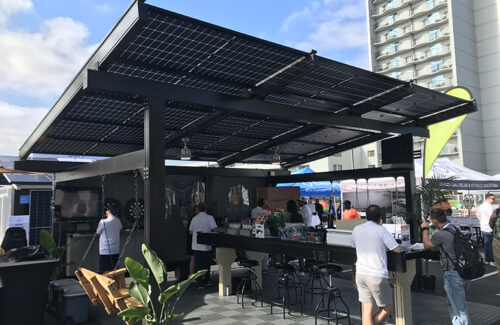
Une autre tendance notable dans la conception des supports est l'importance accordée à l'esthétique. L'intégration croissante des panneaux solaires dans les environnements urbains et résidentiels s'accompagne désormais d'une variété de couleurs et de finitions permettant aux supports de s'harmoniser avec l'architecture environnante, rendant ainsi les installations solaires plus esthétiques.
Face aux préoccupations croissantes en matière de développement durable et de responsabilité environnementale, les fabricants de supports photovoltaïques privilégient désormais les pratiques écoresponsables. Nombre d'entre eux utilisent des matériaux recyclés dans la production de ces supports, réduisant ainsi les déchets et leur empreinte carbone. Par ailleurs, des efforts sont déployés pour optimiser le processus de fabrication afin de minimiser la consommation d'énergie et les émissions, renforçant ainsi le caractère écologique des supports photovoltaïques.

L'évolution des supports photovoltaïques en 2026 témoigne d'un engagement envers l'innovation, la durabilité et l'efficacité dans le secteur de l'énergie solaire. Grâce aux progrès technologiques, aux innovations en matière de conception et à une attention particulière portée à l'impact environnemental, les supports photovoltaïques sont devenus des composants indispensables des systèmes de panneaux solaires modernes. Alors que le monde poursuit sa transition vers les énergies renouvelables, le développement continu des supports photovoltaïques jouera un rôle clé pour optimiser les avantages de l'énergie solaire tout en minimisant son impact environnemental.

A706, Lingyun Onyx Building, No. 652, Hu'an Road, Huli District, Xiamen City, Fujian Province
E-mail : Sales@powerstone-tec.com
E-mail : Connie.Dong@powerstone-tec.com